Polytunnel vs Greenhouse: Which Growing Structure Is Better for Your Customers?
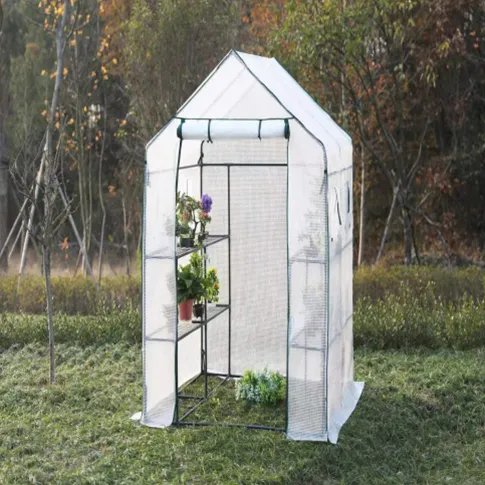
Polytunnel vs greenhouse is a common comparison for home gardeners, allotment growers, nurseries and garden-product retailers. A polytunnel is usually a hoop or tunnel-shaped frame covered with polyethylene film, while a greenhouse is typically a more rigid framed structure covered with polycarbonate, glass or plastic glazing. Both structures protect plants from wind, rain and cold, extend the growing season and create a more stable growing environment. The best choice depends on budget, garden space, weather exposure, heating needs, crop type and how long the customer expects the structure to last. PSO supplies garden greenhouses, tunnel greenhouse products, polycarbonate greenhouses and greenhouse accessories for retailers, distributors and e-commerce brands.
What Is a Polytunnel?
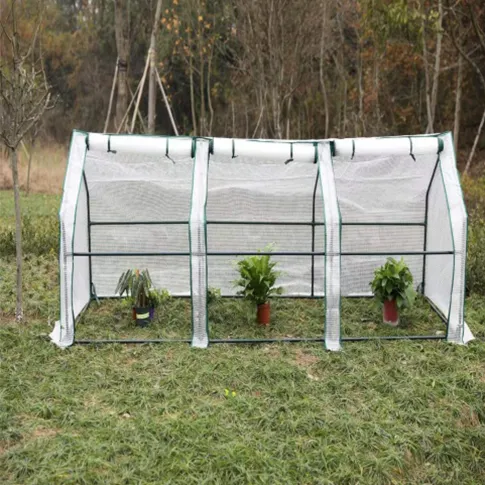
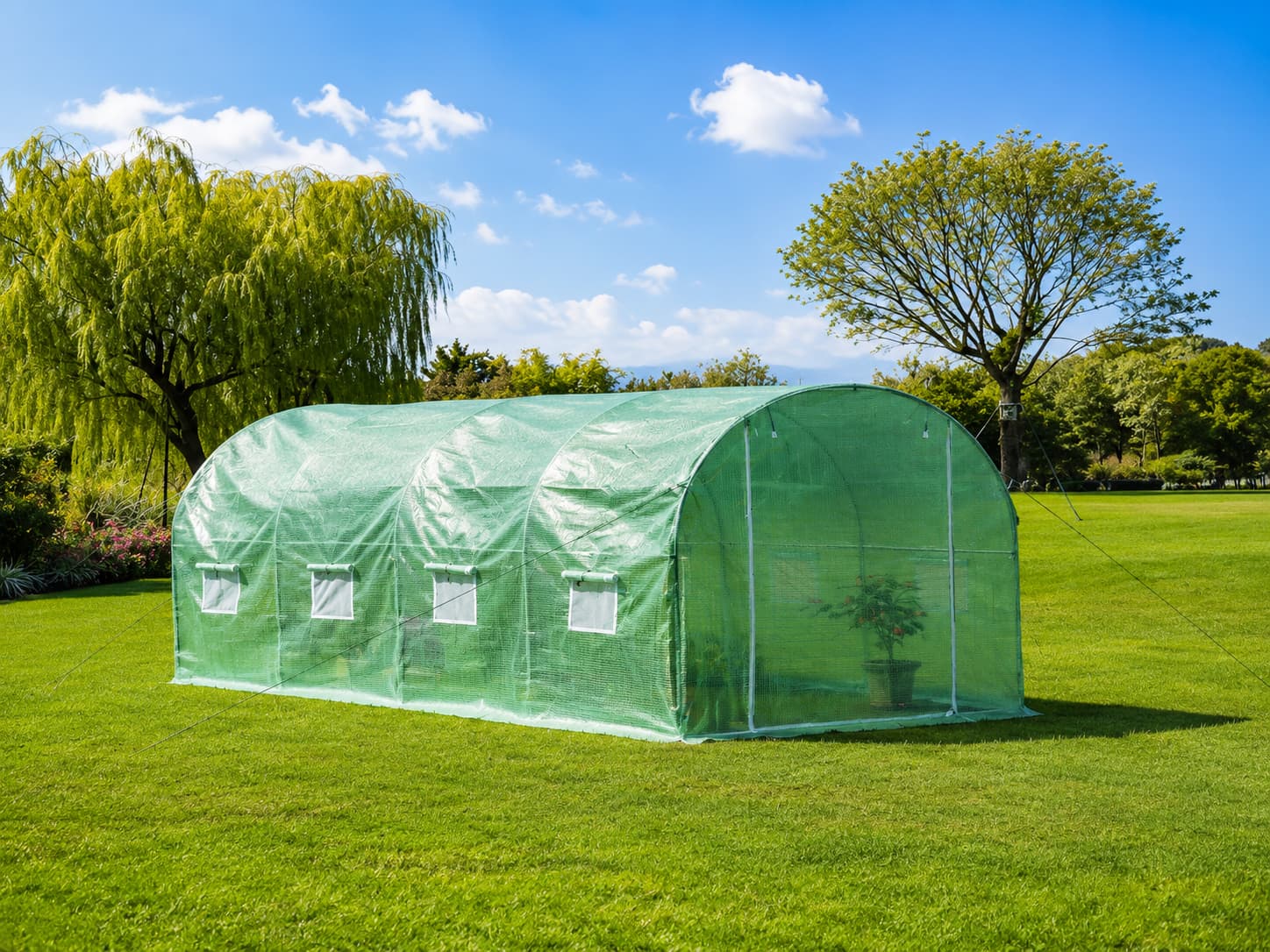
A polytunnel is a walk-in covered growing structure made from a curved frame and flexible plastic film, commonly used to create a warmer and more protected crop-growing environment. Polytunnels are often chosen for vegetables, soft fruit, seed starting and seasonal crop extension because they provide a large growing area at a lower cost than many rigid greenhouses. The USDA Natural Resources Conservation Service’s High Tunnel Initiative explains that high tunnels protect crops from severe weather and help growers extend the growing season into earlier spring and later fall. This description is close to how many commercial and hobby polytunnels are used in practice.
PSO’s Tunnel Greenhouse range is positioned for hobby growers who need practical protected growing space, while its PE film greenhouse category provides UV-cover and galvanized-frame options for nursery and gardening applications.
What Is a Greenhouse?
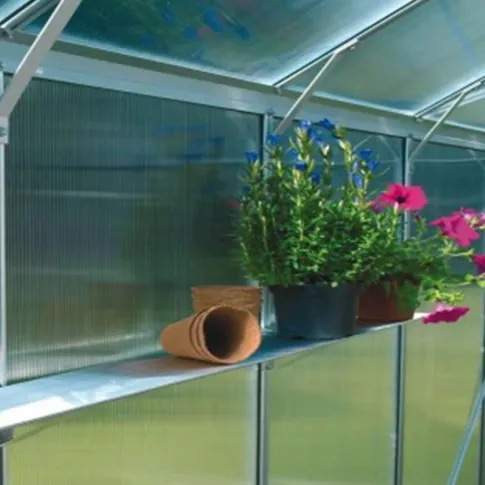
A greenhouse is a rigid growing structure with a frame and transparent or translucent glazing that creates a controlled environment for plants. Greenhouses can be made with aluminum, steel or wooden frames and covered with polycarbonate panels, glass or plastic sheet. Compared with a basic polytunnel, a greenhouse often feels more permanent, more visually attractive and easier to use with shelving, staging, vents and accessories. The Royal Horticultural Society’s greenhouse selection guidance explains that polythene tunnels are a highly cost-effective option for summer crops such as tomatoes and cucumbers, but they are not usually economical to heat and keep frost-free over winter.
PSO’s Polycarbonate Greenhouse category uses aluminum frames and impact-resistant panels. PSO lists polycarbonate greenhouse panels with 90% light diffusion, while the homepage also describes twin-wall polycarbonate panels that block 99% harmful UV rays while supporting light transmission.
Polytunnel vs Greenhouse Comparison Table
Polytunnel and greenhouse selection should compare structure, covering material, insulation, crop use, appearance, installation and replacement needs.
| Comparison Factor | Polytunnel | Greenhouse |
|---|---|---|
| Main Structure | Curved hoop frame with PE film cover | Rigid frame with polycarbonate, glass or plastic glazing |
| Best Use | Vegetables, soft fruit, seasonal growing, large planting beds | Seedlings, potted plants, herbs, ornamentals, year-round hobby growing |
| Budget Level | Usually lower initial cost | Usually higher initial cost |
| Growing Area | Large area is easier to achieve affordably | Smaller footprint is common for home gardens |
| Insulation | Basic PE film protection | Better with twin-wall polycarbonate or insulated panels |
| Heating Suitability | Less economical to heat in winter | Easier to heat and manage in small zones |
| Appearance | Practical and agricultural | More attractive for patios and home gardens |
| Durability | Cover may need replacement over time | Rigid panels and frames can last longer with care |
| Retail Fit | Good for value, space and vegetable-growing ranges | Good for premium garden, balcony and backyard ranges |
For winter use, heating strategy matters. According to the RHS guidance on heating greenhouses efficiently, maintaining a frost-free greenhouse temperature of around 4°C can help protect tender plants through winter and allow gardeners to start warm-temperate plants earlier in spring.
How Should Retailers Choose the Right Product Range?
Retailers should choose polytunnel and greenhouse products based on customer garden size, climate, price point, packaging channel and after-sales requirements.
For value-focused customers, a PE film tunnel greenhouse is attractive because it offers usable growing space at a competitive price. It is a good option for vegetable growers who want tomatoes, cucumbers, peppers, lettuce or strawberries protected from poor weather. For customers who want a cleaner backyard look, longer service life and better thermal performance, a polycarbonate greenhouse is usually easier to position as a premium product.
PSO’s greenhouse product range includes PE Film Greenhouse, walk-in garden greenhouse, tunnel greenhouse, mini greenhouse and Greenhouse Kits & Accessories. PSO also supports OEM/ODM customization for materials, colors, logo branding, manuals and packaging, which is useful for retailers selling through Amazon, garden centers, supermarkets and online channels.
What Should Buyers Check Before Ordering?
Buyers should check frame material, cover thickness, panel type, ventilation, anchoring, packaging, spare parts and warranty before placing a greenhouse or polytunnel order. Wind resistance and anchoring are especially important for tunnel structures because large film-covered surfaces can catch wind. For greenhouses, panel fit, roof vent design, door structure and frame corrosion resistance affect user satisfaction. For e-commerce sales, carton strength, part labeling, instruction quality and replacement-cover availability can reduce returns and after-sales pressure.
PSO’s garden greenhouse page states that it focuses on backyard and hobby greenhouses, supports OEM cartons from 500 units, offers 20ft lead times of 20–25 days and 40HQ lead times of 30–35 days, and provides a 2-year warranty for metal frames and PE films. These details help distributors plan assortment, inventory and after-sales support.
Conclusion
Polytunnels and greenhouses both extend the growing season, but they serve different customer needs. A polytunnel is usually better for growers who want large, affordable planting space for vegetables and seasonal crops. A greenhouse is usually better for customers who want a more durable, attractive and manageable structure for seedlings, potted plants, herbs and year-round hobby gardening.
For retailers and distributors, the best product strategy is often not choosing one over the other, but building a tiered assortment: mini greenhouses for entry-level buyers, tunnel greenhouses for value growers and polycarbonate greenhouses for premium backyard customers. PSO supports this range with garden greenhouses, PE film greenhouses, polycarbonate greenhouses, accessories and OEM/ODM customization for global garden-product businesses.
FAQ
1. What is the main difference between a polytunnel and a greenhouse?
A polytunnel usually uses a hoop frame and PE film cover, while a greenhouse uses a rigid frame with polycarbonate, glass or plastic glazing.
2. Is a polytunnel cheaper than a greenhouse?
Yes, a polytunnel is usually cheaper for the same growing area because the structure and film cover are simpler than rigid greenhouse frames and panels.
3. Which is better for vegetables?
A polytunnel is often better for vegetable growers who want more covered planting space for tomatoes, cucumbers, peppers, lettuce, strawberries and seasonal crops.
4. Which is better for winter growing?
A polycarbonate greenhouse is usually easier to manage in winter, especially when heating, shelving and insulation are needed. A polytunnel can still protect hardy crops but is less economical to heat.
5. Can retailers sell both polytunnels and greenhouses?
Yes. A mixed range works well because entry-level, value, premium and small-space customers have different needs. Mini greenhouses, tunnel greenhouses and polycarbonate greenhouses can complement each other.
6. Why choose PSO for greenhouse and polytunnel products?
PSO supplies garden greenhouses, PE film greenhouses, tunnel greenhouses, polycarbonate greenhouses and accessories with OEM/ODM customization, packaging support, manuals, spare parts and export service for retailers and distributors.